
Find Dauphin County Bench Warrants
Dauphin County is home to Harrisburg, the state capital, and sits in the 12th Judicial District of Pennsylvania. Bench warrants in Dauphin County are issued when someone misses a court date or fails to meet other court orders. The Court of Common Pleas and several Magisterial District Courts handle these cases. If you need to search for a bench warrant, the UJS Portal provides online access to docket sheets and case information from courts throughout the state. Local offices like the Clerk of Courts and the Sheriff's Office also keep warrant records.
Bench Warrant Process in Dauphin County
A bench warrant in Dauphin County starts with a judge's order. When a person does not show up for court, the judge may sign a bench warrant right from the bench. This order gives law enforcement the power to arrest the named person and bring them before the court. The warrant stays active until it is served or the judge recalls it.
Pennsylvania Rule 150 sets the rules for what happens after an arrest. The person must be taken for a hearing without needless delay. If the hearing cannot take place right away, the person is held at the county jail. Staff at the jail must notify the court promptly. The law says no one can be kept in custody longer than 72 hours without a bench warrant hearing.
The judge who issued the bench warrant will usually hold the hearing. If that judge is not free, the president judge can pick another judge to step in. Dauphin County also allows these hearings to be held by video when needed, which helps cut down on wait times.
The Dauphin County government website explains how the county court system is set up and offers links to key departments.

This portal is a useful starting point for anyone looking into court-related matters in the Harrisburg area.
Dauphin County Sheriff's Role in Warrants
The Dauphin County Sheriff's Office is the main agency that carries out bench warrants in the county. Deputies serve warrants issued by the Court of Common Pleas and by lower courts. The office keeps records of all active warrants and works with Harrisburg Police and other local departments to find and arrest people named in bench warrants.
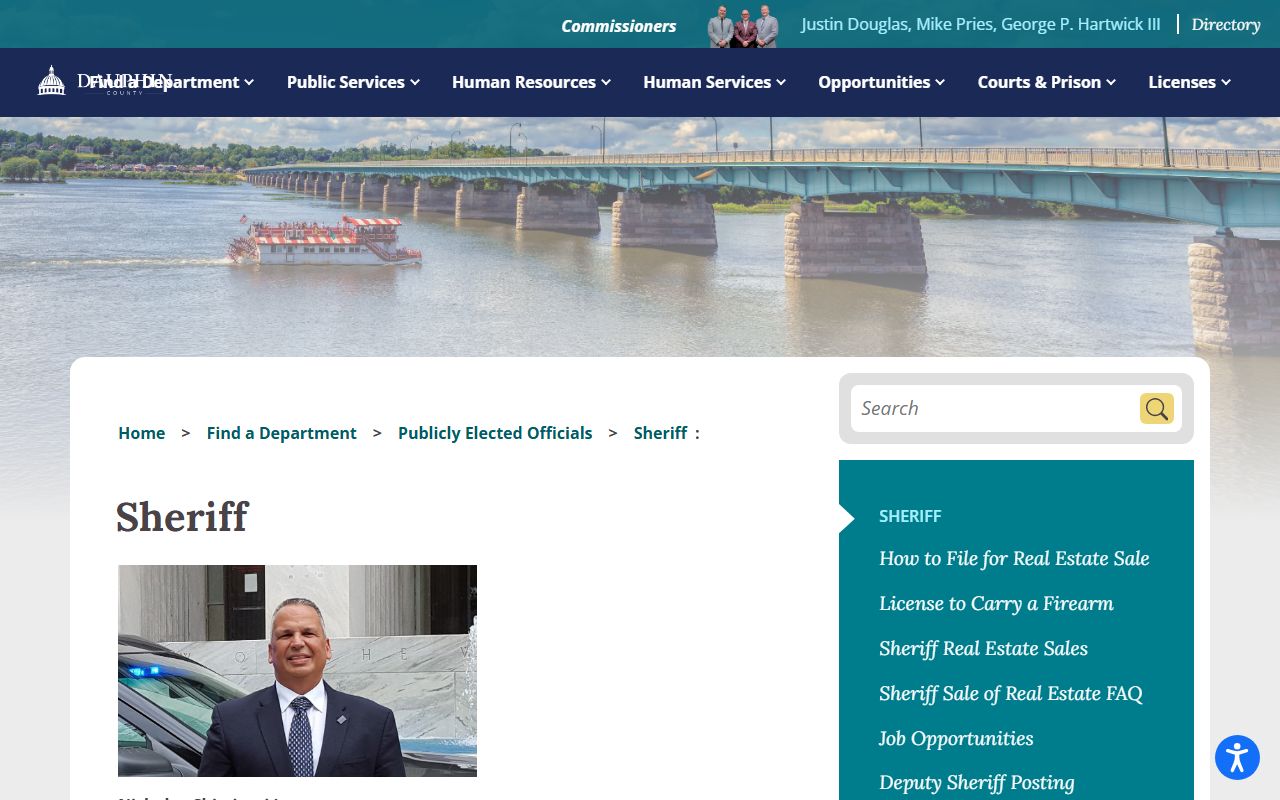
Bench warrants are entered into state and national databases by the Sheriff's Office. This means a traffic stop in any part of Pennsylvania could lead to an arrest if a Dauphin County bench warrant is on file. The office also handles civil process, courthouse security, and other duties. You can contact the Sheriff's Office to check if a warrant is active.
Note: Dauphin County bench warrants are shared across state law enforcement databases, so they can be served anywhere in Pennsylvania.
Where to Search Dauphin County Bench Warrants
There are a few good places to search for bench warrants in Dauphin County. Here is a short list of options:
- The UJS Portal for public docket sheet searches by name or case number
- The Dauphin County Clerk of Courts for in-person or phone requests
- The Sheriff's Office for warrant status checks
- Magisterial District Court offices for lower court cases
Keep in mind that some warrant details may only be available to people with proper credentials, such as law enforcement or attorneys.
Public docket sheets show charges, court dates, and case outcomes. They are a good way to see if a bench warrant appears in a case file.
Common Reasons for Bench Warrants in Dauphin County
Bench warrants in Dauphin County are most often tied to missed court dates. A person who gets a summons or citation and does not respond risks having a warrant issued. Under Pennsylvania Rule 430, the court must follow specific steps before signing a warrant in summary cases. The person must be served with the citation in person or by certified mail. For unpaid fines, the court sends a notice and waits 10 days for a response.
Other triggers include failing to pay restitution, breaking the terms of a court order, or not showing up to start a jail sentence. Judges in Dauphin County take these matters seriously because the court depends on people following through with their obligations. A bench warrant is the tool judges use to bring a person back into the process.
Dauphin County also provides access to treatment courts and other programs. Missing required sessions or meetings in these programs can also lead to a bench warrant.
Steps to Resolve Dauphin County Bench Warrants
Dealing with a bench warrant sooner is better than later. In Dauphin County, a person with a warrant can take a few steps to address it. Hiring a lawyer is a common first move. An attorney can file a motion with the Clerk of Courts asking the judge to lift the bench warrant. If the motion is granted, the warrant goes away and a new court date is set.
Turning yourself in is another option. You can go to the courthouse or the Sheriff's Office. As Pennsylvania legal experts note, showing up on your own may work in your favor when the judge decides what to do next. The 72-hour rule under Rule 150 still applies, so a hearing must happen within that window after an arrest.
After the hearing, the judge vacates the bench warrant. The court then sets a new schedule for the case. Ignoring a bench warrant only makes things worse over time, since it remains active until action is taken.
Note: A motion to lift a bench warrant in Dauphin County is filed through the Clerk of Courts office at the courthouse in Harrisburg.
Dauphin County Court System
Dauphin County is part of the 12th Judicial District. The Court of Common Pleas is based in Harrisburg and handles felony and misdemeanor criminal cases, along with civil and family matters. The county has several Magisterial District Courts that cover preliminary hearings, summary offenses, and small claims.
The Clerk of Courts keeps all criminal records for the county. Public access is available under the state's Public Access Policy. You can get copies of docket sheets or look up case status through this office. The county follows the same rules as every other county in Pennsylvania when it comes to bench warrants and court procedures.