
Find Pittsburgh Bench Warrants
Pittsburgh bench warrants are handled through the Allegheny County court system. If you want to search for bench warrant records in Pittsburgh, the courts and law enforcement agencies that serve this city maintain public access tools for that purpose. Bench warrants in Pittsburgh most often result from a failure to appear in court or a failure to pay fines. The Pittsburgh Police Department and the Allegheny County Sheriff's Office work together to enforce these court orders. Learning how the bench warrant process works in Pittsburgh can help you take the right steps if you or someone you know is affected.
Pittsburgh Bench Warrant Basics
A bench warrant is a court order that tells law enforcement to arrest a specific person and bring them to court. In Pittsburgh, these warrants are issued by judges in the Allegheny County Court of Common Pleas or by magisterial district judges who handle summary cases in the city.
The most common reason for a bench warrant in Pittsburgh is a missed court date. When a person does not show up for a hearing, trial, or sentencing, the judge may issue a bench warrant right away. Bench warrants in Pittsburgh are also issued for failure to pay court-ordered fines, costs, or restitution.
Under Pennsylvania Rule 430, a bench warrant must be issued when a defendant fails to respond to a citation or summons served in person or by certified mail. The rule also requires the court to give notice before issuing a warrant for unpaid fines. The defendant gets 10 days to respond to that notice.
How Bench Warrants Are Enforced in Pittsburgh
The Pittsburgh Police Department enforces bench warrants within city limits. Patrol officers check for active warrants through the JNET system and the NCIC database during traffic stops and other contacts. If a person has an active bench warrant, officers can arrest them on the spot.
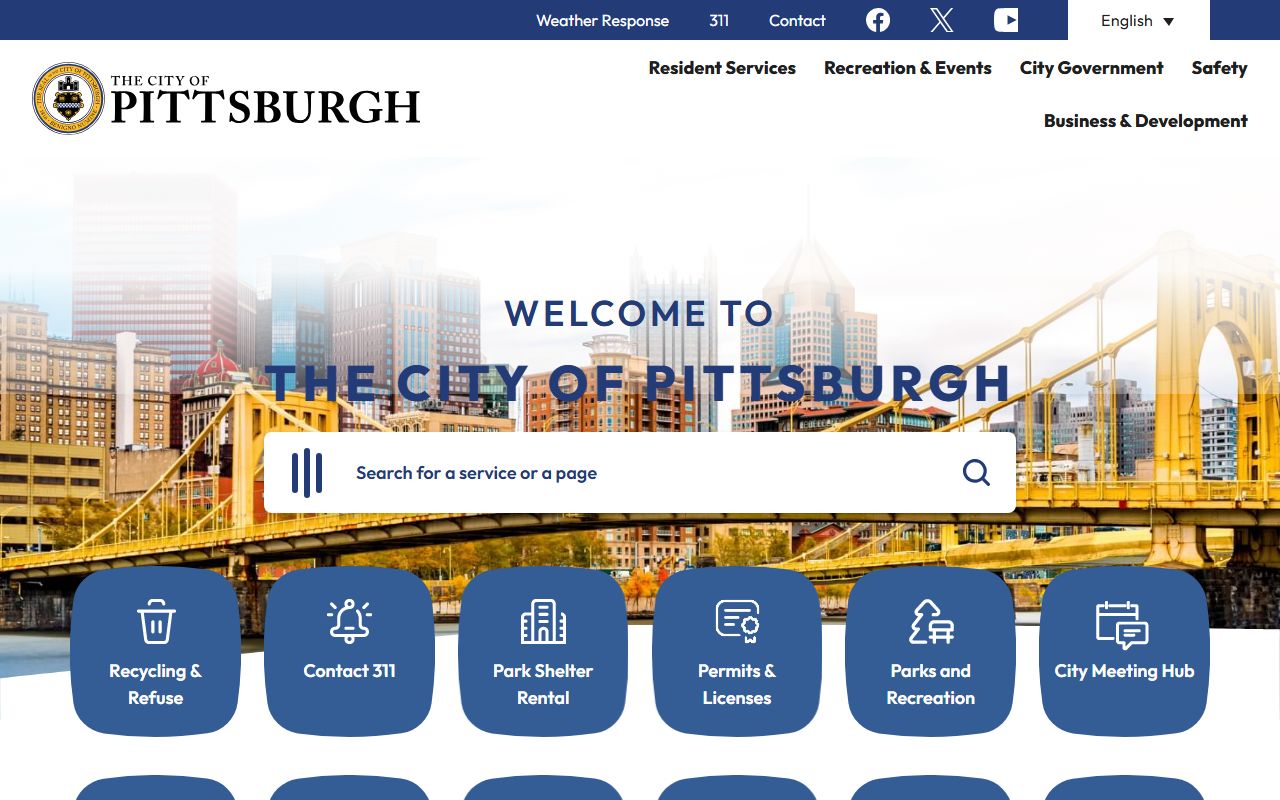
The official City of Pittsburgh website gives an overview of local services and public safety in the city.
Pittsburgh Police also take part in multi-agency warrant sweeps. These operations target people with outstanding bench warrants and involve the Allegheny County Sheriff's Office and other agencies. The police department's Real Time Crime Center helps locate people with active bench warrants in the city.
The Allegheny County Sheriff's Office maintains a Warrant Division that serves bench warrants across the county, including Pittsburgh. The Sheriff's Office keeps a comprehensive warrant database and works with Pittsburgh Police to coordinate enforcement. The office runs around the clock for warrant execution.
Pittsburgh Bench Warrant Hearings
After an arrest on a bench warrant in Pittsburgh, the person must receive a hearing without unnecessary delay. Pennsylvania Rule 150 sets the rules for these hearings. The hearing must be conducted by the judge who issued the bench warrant or another judge appointed by the president judge.
If the hearing cannot take place right after the arrest, the person is held at the Allegheny County Jail. The jail staff must notify the court that the person is in custody on a bench warrant. The law does not allow someone to be held for more than 72 hours without a hearing. If 72 hours falls on a non-business day, the hearing must happen by the close of the next business day.
Bench warrant hearings in Pittsburgh may be held by video when the judge allows it. This can speed up the process and reduce the time a person spends in custody. At the end of the hearing, the judge must vacate the bench warrant.
Note: If a bench warrant hearing does not happen within the time limits set by Rule 150, the bench warrant expires by operation of law.
Searching Pittsburgh Bench Warrant Records
The Pennsylvania Unified Judicial System Web Portal is the primary resource for looking up bench warrant records in Pittsburgh. The portal provides public access to docket sheets from Common Pleas and Magisterial District Courts across the state. You can search by name, case number, or offense tracking number.
Docket sheets on the portal will show if a bench warrant has been issued in a case. They also show court dates, charges, and case outcomes. For a more detailed warrant search, the UJS Portal offers a restricted statewide warrant database that requires registration and approval.
Pittsburgh City Courts also maintain records related to city ordinance violations. Bench warrants can be issued through the District Justice system for violations of city codes. Defendants can resolve these matters by appearing at city court offices.
- Search by name or case number on the UJS Portal
- Check docket sheets for bench warrant entries
- Contact the Allegheny County Clerk of Courts for case details
- Visit Pittsburgh Municipal Court to resolve matters in person
Resolving a Bench Warrant in Pittsburgh
Addressing a bench warrant in Pittsburgh as soon as possible is important. The longer a bench warrant stays active, the greater the chance of an unexpected arrest. There are several ways to handle an outstanding bench warrant in the city.
Speaking with a criminal defense attorney is a strong first step. A lawyer can contact the court and arrange for a voluntary surrender or file a motion to have the bench warrant lifted. In some Pittsburgh cases, the attorney can get a new court date set without the person being taken into custody.
A person may also appear voluntarily at Pittsburgh Municipal Court to address the bench warrant. Showing up on your own signals to the judge that you are willing to comply with the court's orders. The judge may then set new conditions and a future court date.
Pittsburgh courts also offer online payment options for unpaid fines. Paying what is owed can sometimes prevent a bench warrant from being issued in the first place. If a bench warrant already exists for non-payment, resolving the balance may help when the person appears for a hearing.
Note: A bench warrant in Pittsburgh stays active until the person appears in court or a judge withdraws the order.
Pittsburgh Bench Warrants Under State Rules
All bench warrants in Pittsburgh follow the same Pennsylvania rules that apply statewide. Rule 150 governs what happens after a person is arrested on a bench warrant. Rule 430 covers the conditions under which a bench warrant can be issued in summary cases. These rules are meant to protect the rights of the person named in the warrant while also giving the courts the tools they need to maintain order.
Bench warrants issued in Pittsburgh are entered into law enforcement databases that are accessible across the state. The JNET system connects courts and police statewide. This means a bench warrant from Pittsburgh can lead to an arrest in any Pennsylvania county or even in another state through the NCIC system.
A bench warrant in Pittsburgh does not have an expiration date. It remains in effect until the person appears before the issuing court or a judge vacates the order. Even if years pass, the bench warrant can still be enforced at any time.