
Lower Merion Bench Warrants
Lower Merion Township bench warrants are handled through Montgomery County courts in Pennsylvania. This large township sits just west of Philadelphia and falls under the 38th Judicial District. If you need to search for bench warrants in Lower Merion, you can use the Pennsylvania Unified Judicial System web portal or contact the Montgomery County Clerk of Courts. The Montgomery County Sheriff's Office works with Lower Merion Police to serve active bench warrants throughout the township. Court records for Lower Merion bench warrant cases are kept at the Montgomery County Courthouse in Norristown.
Bench Warrants in Lower Merion
A bench warrant is a court order from a judge. It is not tied to a new crime. Instead, bench warrants in Lower Merion are issued when someone fails to follow a court directive. The most common cause is a missed court date. Unpaid fines and broken probation terms also lead to bench warrants. Under 234 PA Code Rule 430, a judge must first send notice before issuing a bench warrant for unpaid fines. The person then has 10 days to respond.
Once a bench warrant goes active in Lower Merion, law enforcement can make an arrest at any time. The Lower Merion Police Department works with Montgomery County courts to find and arrest people with active bench warrants. Officers check warrant status through JNET and NCIC databases during routine stops. A bench warrant does not go away on its own. It stays in force until the named person appears in court or a judge pulls it back.
Bench warrants in Lower Merion can also come from Magisterial District Courts. These courts handle summary offenses and set bail for more serious charges. If a person fails to show up for a hearing at a district court, the judge may issue a bench warrant right away.
Search for Lower Merion Bench Warrants
The Pennsylvania UJS web portal is the best place to start a search for bench warrants in Lower Merion. You can look up cases by name, case number, or offense tracking number. The portal covers both the Court of Common Pleas and Magisterial District Courts in Montgomery County. Docket sheets show case status, charges, and scheduled events. If a bench warrant is active, the docket will note it.
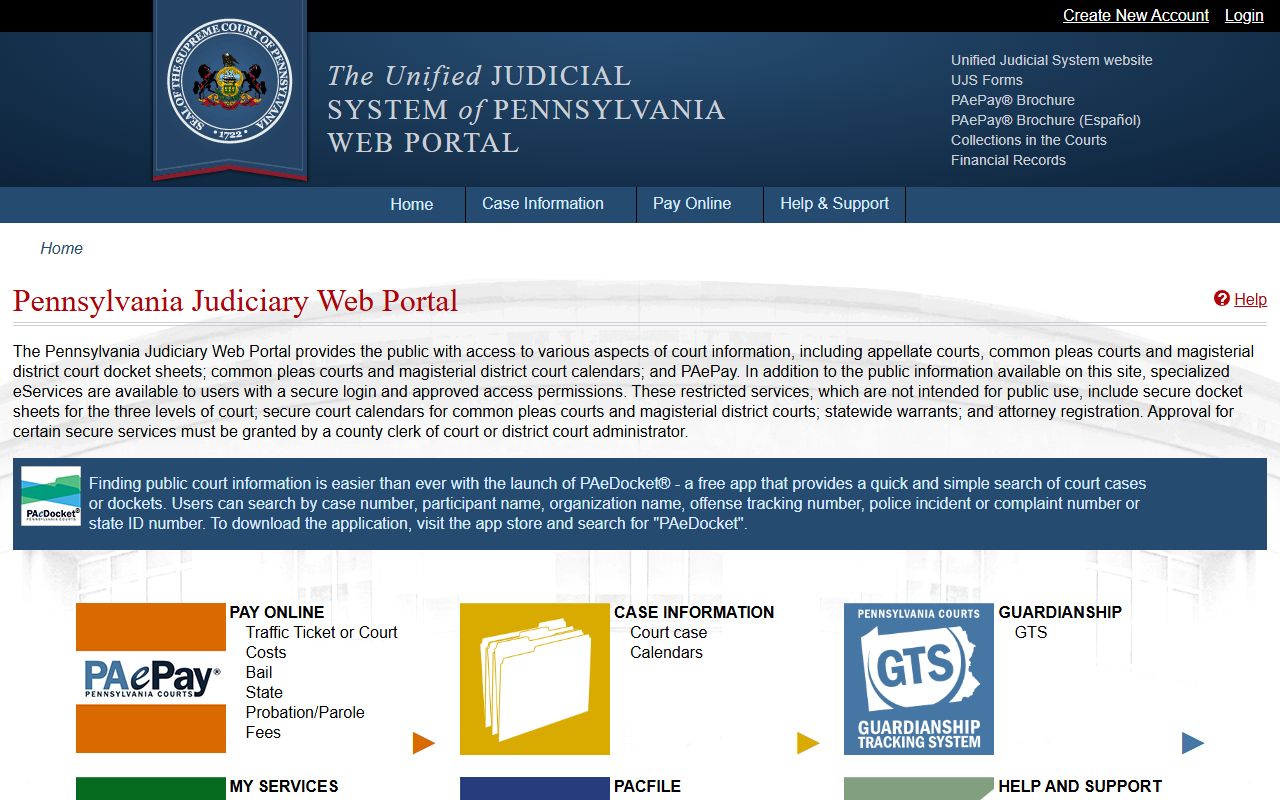
You can also contact the Montgomery County Clerk of Courts for warrant information. The Montgomery County Clerk of Courts maintains all criminal case records for the county, including those from Lower Merion. Public access is available during business hours at the courthouse in Norristown.
Other ways to check for bench warrants in Lower Merion include:
- Contact the Montgomery County Sheriff's Office for warrant status
- Visit the Magisterial District Court that issued the warrant
- Request a criminal history check through the PA State Police PATCH system
- Use the PAeDocket app for quick case lookups
Lower Merion Bench Warrant Hearings
When someone is arrested on a bench warrant in Lower Merion, they must be taken before a judge without needless delay. 234 PA Code Rule 150 sets the rules for these hearings. If the hearing cannot happen right away, the person is held at the Montgomery County jail. The court must hold a bench warrant hearing within 72 hours. If that time passes with no hearing, the bench warrant expires by law.
The hearing takes place before the judge who issued the bench warrant. In some cases, another judge may be chosen by the president judge to handle it. Lower Merion bench warrant hearings may also be held by two-way audio-visual link. This helps the court meet the 72-hour rule and keeps people from sitting in jail longer than they need to.
Note: If arrested in Lower Merion on a bench warrant from another county, the local jail must tell the issuing county right away under Rule 150.
Montgomery County Warrant Enforcement in Lower Merion
The Montgomery County Sheriff's Office is the main agency that serves bench warrants in Lower Merion. The office works hand in hand with the Lower Merion Police Department. Deputies carry out warrant sweeps and track down people named in active bench warrants. The office runs around the clock for warrant work and urgent court orders.
Lower Merion Police also play a key role in bench warrant enforcement. Officers check warrant databases during traffic stops and other contacts. If they find an active bench warrant, they can make an arrest on the spot. The department uses JNET to access statewide warrant records from the State Police, the National Crime Information Center, and county courts across Pennsylvania. This means a bench warrant from any county can lead to an arrest in Lower Merion.
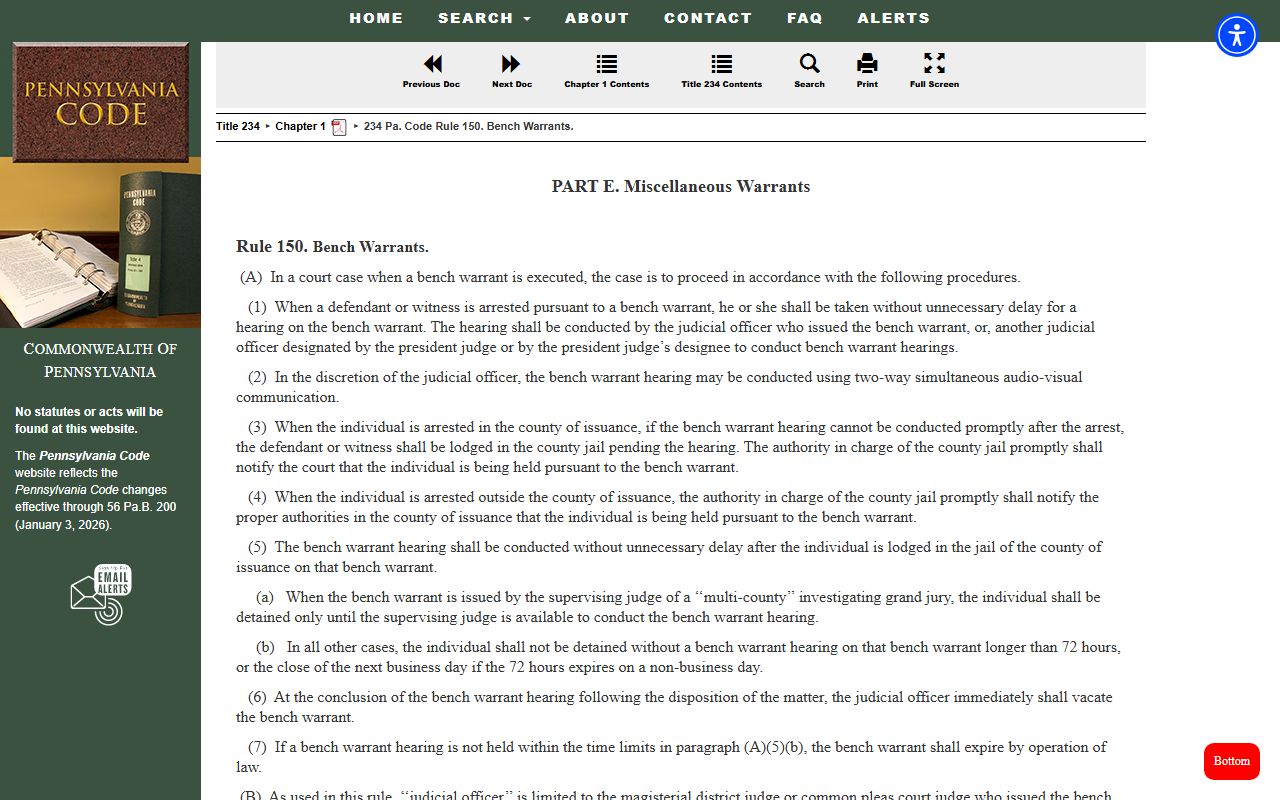
After a bench warrant is served, the return goes to the Clerk of Courts. The warrant is then closed in all databases. The Legal Information Institute at Cornell Law maintains the full text of the bench warrant rules that apply in Lower Merion and all of Pennsylvania.
Resolving Bench Warrants in Lower Merion
Dealing with a bench warrant fast is always the best path. Ignoring one only makes things worse. Courts may add fines. A judge could revoke bail. New charges for contempt are possible too. The legal process for bench warrants in Pennsylvania gives judges wide power to act when someone does not follow court orders.
If you have an active bench warrant in Lower Merion, contact a lawyer or reach out to the court. A defense attorney may be able to file a motion to lift the warrant and set a new court date. Judges often look at a willing return to court as a sign of good faith. This can lead to a lighter outcome. The Montgomery County court system and Lower Merion Magisterial District Courts both allow motions to quash or lift bench warrants through the Clerk of Courts.
Under 42 Pa.C.S. Section 5551, bench warrants do not have an expiration date. They stay active no matter how many years pass. The statute of limitations stops running once a warrant is issued. A bench warrant from years ago is still valid and can still lead to an arrest in Lower Merion or anywhere in the country.
Note: Bench warrants in Lower Merion are entered into the NCIC database and can be enforced by law enforcement across the United States.